
Resources
Why UK Building Sites Use 110V Transformers: A Practical Guide to Safe Site Power
Why UK Building Sites Use 110V Power
On UK construction sites, most portable electrical tools run on 110V rather than the 230–240V used in homes and offices. The main reason is safety.
Site power systems commonly use a centre-tapped-to-earth (CTE) transformer. This provides 110V across the supply but only about 55V to earth from each conductor. Because the risk and severity of electric shock increase with voltage to earth, this significantly reduces danger if a cable is damaged or someone accidentally contacts a live conductor.
Construction environments often involve:
-
Wet or muddy ground
-
Metal scaffolding and structures
-
Frequent movement of cables and equipment
These factors increase electrical hazards, which is why reduced-voltage systems are widely recommended in guidance from the Health and Safety Executive (HSE).
What a Site Transformer Does
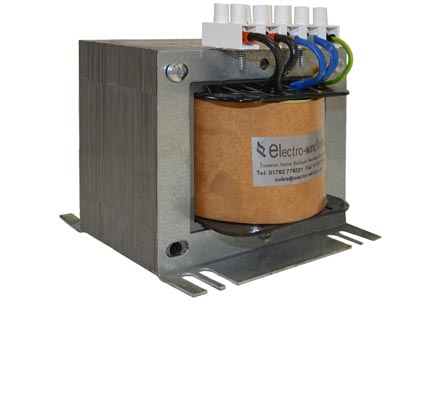
A site transformer converts the standard UK mains supply (230–240V) into a lower, safer voltage—typically 110V—for tools, lighting, and temporary equipment.
In addition to stepping down voltage, site transformers:
-
Provide electrical isolation, reducing the risk of faults transferring from the mains supply.
-
Include overload and thermal protection to prevent overheating.
-
Are built with rugged casings suitable for harsh site conditions.
Transformers are usually positioned close to the work area to keep cable runs short and minimise voltage drop.
Key Differences Between 110V and 240V Transformers
Safety
-
110V CTE systems: Lower shock risk, preferred for portable tools outdoors.
-
240V supplies: Higher voltage to earth, requiring stricter control measures.
Power Delivery
-
240V equipment delivers more power efficiently with lower current.
-
110V tools may draw higher current, so transformer sizing is important.
Cables and Distribution
-
110V systems may require heavier cables or shorter runs.
-
240V systems are more efficient over longer distances, but risk levels are higher if cables are damaged.
Typical Applications
-
110V: Portable tools, site lighting, temporary equipment.
-
240V: Offices, welfare units, workshops, and fixed installations.
When 240V May Still Be Required
Although 110V is standard for portable equipment, 240V is still used in certain situations:
-
Site offices and welfare cabins where wiring is fixed and protected.
-
Workshops or fabrication areas using stationary machinery.
-
Specialist equipment designed only for 230–240V operation.
In these environments, protection such as RCDs, proper earthing, and regular inspection is essential, following guidance from bodies like the Institution of Engineering and Technology (IET).
Choosing the Right Transformer for Your Site
Selecting the correct transformer helps ensure both safety and efficiency.
-
Calculate your load
Add up the wattage of tools likely to run at the same time and choose a transformer with extra capacity (typically 20–30% headroom).
-
Consider site conditions
Outdoor or exposed sites need durable, weather-resistant units and practical cable management.
-
Plan power distribution
Using several smaller transformers near work areas can reduce long cable runs and improve safety.
-
Ensure Compliance
Always follow UK electrical safety guidance and carry out regular inspections and testing.
Conclusion
110V power systems are standard on UK construction sites because they significantly reduce the risk of electric shock in demanding environments. Site transformers make this possible by stepping down and isolating mains voltage, allowing tools and lighting to operate safely.
Choosing the right transformer involves understanding your load, environment, and compliance requirements. With proper planning, a safe and reliable temporary power setup can be achieved on any construction project.