
Resources
From Workshop to Building Site: Choosing the Right Transformer for the Job
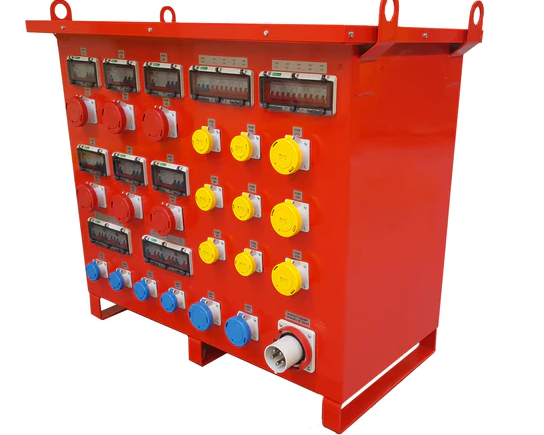
Reliable power distribution is at the heart of every industrial operation. Whether you're running a manufacturing workshop, managing a warehouse, or overseeing a busy construction site, the right electrical infrastructure is essential for keeping equipment operating safely and efficiently. Among the most important components of any power distribution system is the transformer, which plays a critical role in delivering the correct voltage to tools, machinery, and temporary installations.
Understanding how transformers fit into a wider power distribution network can help businesses improve safety, maintain compliance, and optimise energy performance.
Why Transformers Are Essential in Industrial Settings
Transformers are designed to safely increase or decrease voltage levels to suit the requirements of specific equipment and applications. Without them, many industrial machines and electrical systems would be unable to operate correctly or safely.
In industrial environments, transformers are used for a wide range of purposes, including powering machinery, supplying temporary site equipment, and supporting distribution networks across large facilities. On UK construction sites, for example, 110V transformers are commonly used because they provide a safer power supply for portable tools and equipment, helping to reduce the risk of electric shock.
Selecting the appropriate transformer depends on factors such as load requirements, site conditions, and whether the installation is temporary or permanent.
Key Components in Industrial Power Distribution
A well-designed industrial power distribution system consists of several interconnected components, each serving a specific purpose in ensuring reliable and safe electrical delivery.
Incoming Supply (LV or HV)
The incoming electrical supply provides power to the facility and may be delivered at either low voltage (LV) or high voltage (HV), depending on the size and energy demands of the site.
Main Switchgear
Main switchgear controls and protects the electrical supply entering the facility. It allows operators to isolate circuits when required and provides protection against faults and overloads.
Busbar Trunking
Busbar systems distribute power efficiently throughout industrial buildings, offering a flexible and space-saving alternative to traditional cabling methods.
Distribution Boards
Distribution boards divide incoming power into separate circuits, ensuring electricity is delivered safely to different areas and equipment across the site.
Transformers
Transformers adjust voltage levels to meet operational requirements. They ensure machinery, tools, and systems receive the correct supply while maintaining safety and efficiency.
Protective Devices
Circuit breakers, fuses, and other protective devices help prevent damage caused by overloads, short circuits, and electrical faults.
Metering and Monitoring Systems
Modern metering and monitoring systems provide valuable insight into energy usage, equipment performance, and system health, enabling businesses to identify inefficiencies and reduce operating costs.
Together, these components manage electrical loads, protect valuable assets, and support compliance with industry regulations.
Load Management and Phase Balancing
Effective load management is essential in industrial power distribution. Facilities that operate three-phase electrical systems must maintain balanced loads across all phases to prevent overheating, voltage fluctuations, and unnecessary energy losses.
Poor phase balancing can lead to reduced equipment lifespan, higher maintenance costs, and lower system efficiency. As industrial operations become more complex, many organisations are investing in advanced technologies to improve power quality and system performance.
Modern installations may include:
-
Power factor correction to improve electrical efficiency and reduce reactive power consumption.
-
Harmonic filtering to minimise distortion caused by variable speed drives and electronic equipment.
-
Smart energy monitoring systems that provide real-time visibility into power usage and identify opportunities for optimisation.
These solutions help businesses maximise energy efficiency while maintaining reliable operation across critical systems.
Temporary vs Permanent Distribution Systems
The requirements of a power distribution system vary significantly depending on whether the installation is temporary or permanent.
Temporary Distribution Systems
Temporary systems are commonly used on construction sites, events, and short-term industrial projects. In these environments, mobility, durability, and ease of installation are key priorities.
Temporary distribution equipment is typically designed to withstand harsh site conditions while allowing for rapid deployment and relocation as project requirements change. Transformers used in temporary setups must be robust, portable, and capable of delivering safe power to tools and equipment.
Permanent Distribution Systems
Permanent installations are designed with long-term operational needs in mind. These systems focus on capacity, reliability, future expansion, and integrated protection strategies.
Permanent power distribution networks often incorporate sophisticated monitoring, automation, and protection systems to support continuous operation and minimise downtime. Transformer selection in these environments must account for future growth, energy efficiency, and lifecycle costs.
Understanding the differences between temporary and permanent applications is essential when choosing the right transformer and supporting infrastructure.
Safety, Compliance, and Risk Mitigation
Safety remains one of the most important considerations in industrial power distribution. Electrical faults can result in costly downtime, equipment damage, and significant safety risks for personnel.
To reduce these risks, industrial distribution systems must address several key areas:
-
Short-circuit protection to prevent damage during fault conditions.
-
Earth fault protection to safeguard people and equipment from dangerous leakage currents.
-
Overload prevention to avoid overheating and excessive stress on electrical systems.
-
Proper segregation of circuits to ensure critical systems remain protected and operational.
Compliance with relevant electrical standards and regulations is essential for maintaining a safe working environment. Well-designed distribution systems not only help organisations meet legal requirements but also improve reliability, reduce maintenance costs, and minimise the likelihood of unexpected failures.
Choosing the Right Transformer for the Job
From small workshops to large-scale construction sites, transformers are a fundamental part of industrial power distribution. Selecting the correct transformer requires careful consideration of voltage requirements, load demands, site conditions, and long-term operational goals.
By understanding how transformers integrate with switchgear, distribution boards, protective devices, and monitoring systems, businesses can create safer, more efficient electrical networks that support productivity and future growth. Whether the need is temporary site power or a permanent industrial installation, investing in the right transformer and distribution infrastructure helps ensure reliable performance for years to come.