
Resources
Why Are 110V Transformers So Heavy?
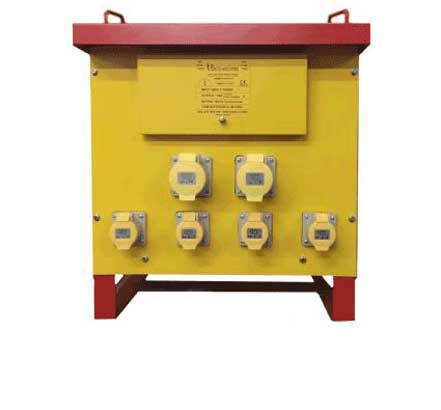
If you've ever moved a 110V site transformer, you've probably wondered why such a relatively compact piece of equipment can weigh so much. Whether it's being used on a construction site, in a workshop, or for industrial maintenance work, a 110V transformer often feels heavier than its size would suggest.
The answer lies in the materials and engineering required to safely convert voltage, handle high currents, and withstand demanding working environments. While weight can sometimes be inconvenient, it is often a direct result of the features that make these transformers reliable, durable, and safe.
The Role of the Iron Core
One of the primary reasons a 110V transformer is so heavy is its iron core. Transformers operate by transferring electrical energy through a magnetic field, and the core plays a critical role in this process.
Most site transformers use laminated steel cores, which are specifically designed to transfer magnetic energy efficiently while minimising energy losses. These laminations help reduce eddy currents and improve overall performance.
The size of the core is directly related to the transformer's power rating. As the amount of power required increases, so does the size of the core needed to handle the magnetic flux. Larger cores mean more steel, and more steel means more weight.
For heavy-duty applications where multiple tools or pieces of equipment may be operating simultaneously, a substantial core is essential to ensure consistent and reliable performance.
Copper Windings and Current Handling
Another major contributor to transformer weight is the copper winding.
Inside every transformer are coils of copper wire that carry electrical current. When a transformer steps down voltage from 230V to 110V, the current increases to deliver the required power output. To safely handle this higher current, thicker copper conductors are needed.
Copper is one of the best electrical conductors available, which makes it ideal for transformer construction. However, it is also a dense and relatively heavy material.
As transformer capacity increases, manufacturers must use larger quantities of copper to prevent overheating, reduce electrical resistance, and maintain efficiency. This additional copper can account for a significant portion of the transformer's overall weight.
In simple terms, the more power a transformer can deliver, the more copper it typically contains.
Built for Durability
Unlike transformers used in controlled indoor environments, site transformers are designed to operate in harsh and demanding conditions.
Construction sites expose equipment to impacts, vibration, dust, moisture, and frequent transportation. To withstand these challenges, manufacturers build site transformers with robust protective features, including:
-
Steel enclosures
-
Reinforced casing
-
Shock-resistant construction
These protective elements help safeguard the internal components from damage and ensure the transformer continues operating safely even in tough environments.
While this rugged construction greatly improves durability and longevity, it also adds considerable weight. The trade-off is a transformer that can withstand years of demanding site use with minimal risk of failure.
Cooling Requirements
Heat management is another important factor influencing transformer weight.
As electricity flows through the transformer, some energy is inevitably converted into heat. Larger transformers handling higher loads generate more heat and therefore require effective thermal management.
Traditional transformer designs often rely on the mass of the core and surrounding materials to absorb and dissipate heat safely. The substantial amount of steel and copper helps spread heat away from critical components, reducing the risk of overheating during continuous operation.
Additional structural materials may also be incorporated to improve cooling performance and maintain safe operating temperatures under heavy loads.
This requirement for thermal stability further contributes to the overall weight of the unit.
Why Weight Matters
Although the weight of a 110V transformer can make transportation and handling more challenging, it is largely a reflection of the components required to deliver safe, reliable power. The combination of a substantial steel core, heavy copper windings, robust protective casing, and effective heat management creates a transformer capable of performing under demanding conditions.
For construction sites and industrial environments, this extra weight often translates directly into greater durability, improved safety, and a longer service life. While lighter alternatives do exist, traditional 110V site transformers continue to be the trusted solution where reliability and toughness are essential.