
Resources
From Workshop to Building Site: Choosing the Right Transformer for the Job
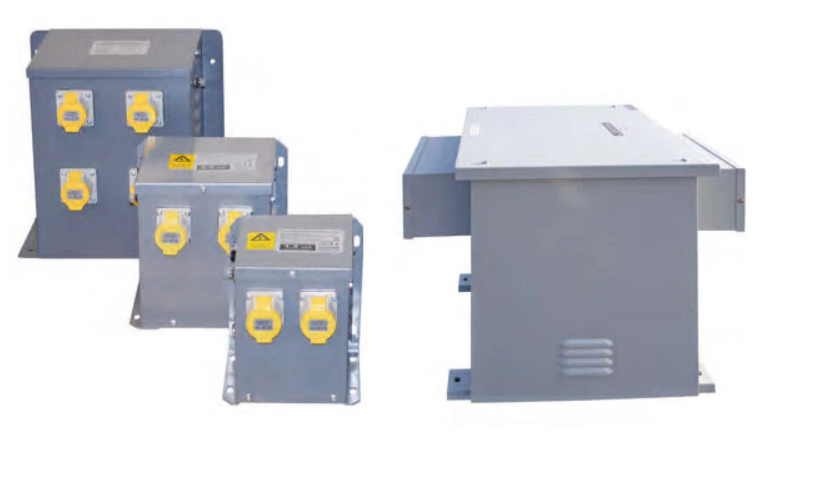
Transformers play a vital role in supplying safe, reliable power to tools and equipment. Whether you're working in a permanent workshop or on a busy construction site, choosing the right transformer helps maintain productivity, protect equipment, and support safe working practices.
While transformers all perform the same basic function—changing voltage levels to suit the application—the environment in which they operate has a major influence on the type you should select.
Key Differences Between Workshop and Site Transformers
The demands placed on a transformer vary significantly between a controlled workshop environment and a construction site.
Workshop Transformers
Workshop transformers are typically designed for long-term installation and regular use in a fixed location. Key characteristics include:
-
Often fixed in position
-
Continuous-duty rated for extended operation
-
Quieter operation, making them suitable for indoor environments
-
Designed to provide reliable power for machinery and tools used on a daily basis
These units are ideal where power requirements remain relatively consistent and the transformer does not need to be moved frequently.
Site Transformers
Construction sites present a much harsher operating environment. Site transformers are built to withstand rough handling and changing weather conditions. Common features include:
-
Rugged construction
-
Impact-resistant casing
-
Weather protection for outdoor use
-
Portable handles for easy transportation around the site
Their robust design helps ensure dependable performance even in demanding conditions where equipment may be exposed to dust, moisture, and physical impacts.
Understanding kVA Ratings
Transformer capacity is measured in kVA (kilovolt-amperes). Selecting the correct kVA rating is one of the most important aspects of transformer selection.
If a transformer is undersized, it may become overloaded, resulting in excessive heat build-up, reduced efficiency, and potential equipment damage. Conversely, choosing a transformer with adequate capacity allows tools and equipment to operate safely and reliably.
For example:
-
A 3.3kVA transformer may be suitable for powering one or two smaller tools.
-
A 10kVA transformer can typically support multiple heavy-duty tools operating simultaneously.
When calculating requirements, always consider the total power demand of all connected equipment, including any potential start-up currents that may exceed normal running loads.
Portable vs Fixed Transformers
Another important consideration is whether a portable or fixed transformer best suits the application.
Portable Transformers
Portable transformers are designed for flexibility and convenience.
Benefits include:
-
Easy to relocate between work areas
-
Suitable for temporary projects and short-term tasks
-
Ideal for contractors and tradespeople working across multiple locations
Their mobility makes them particularly useful on construction sites where power requirements frequently change.
Fixed Transformers
Fixed transformers are intended for permanent installation.
Advantages include:
-
Consistent and reliable power supply
-
Well-suited to dedicated workshop environments
-
Reduced need for repositioning or reinstallation
-
Often preferred where equipment layouts remain unchanged
For businesses with ongoing workshop operations, a fixed transformer can provide a practical long-term solution.
Safety Standards and Best Practice
Regardless of the transformer selected, safety should always be a priority. Proper installation and operation help reduce risk and maintain compliance with workplace requirements.
When selecting and using a transformer, ensure:
-
Proper earthing is provided
-
Suitable overcurrent protection is installed
-
The transformer has an appropriate IP rating for the environment
-
Equipment complies with relevant site safety regulations and standards
Regular inspection and maintenance can also help identify potential issues before they affect performance or safety.
Choosing the Right Transformer
The best transformer for the job depends on where and how it will be used. Workshops generally benefit from fixed, continuous-duty units designed for long-term operation, while construction sites require portable, rugged transformers capable of withstanding demanding conditions.
By understanding kVA ratings, assessing mobility requirements, and following best-practice safety guidelines, you can select a transformer that delivers reliable performance, improved efficiency, and enhanced worker safety.